
I spent R847 to grow tomatoes this season. That is not a made-up number. I wrote it down in a notebook I keep by the kitchen door, the one with the coffee ring on the cover and the list of things I keep meaning to fix. R847 for soil, compost, seedlings, stakes, neem oil when the aphids arrived, and the water bill I checked twice because I could not believe how much the meter moved in January. I have harvested 3.2 kilograms of tomatoes so far. At Pick n Pay yesterday, jam tomatoes were R22 a kilo. You do the maths. I have already lost.
Nobody mentions the hidden costs when they tell you to plant a garden to beat food prices. They do not mention the Saturday morning you spend driving to the nursery because the seedlings you bought at Checkers died in the heatwave. They do not mention the compost that smelled wrong, the batch you had to dig out and replace. They do not mention the tomatoes that looked perfect on the vine and turned out to have something boring through them, something you only found when you cut them open.
The Real Ledger
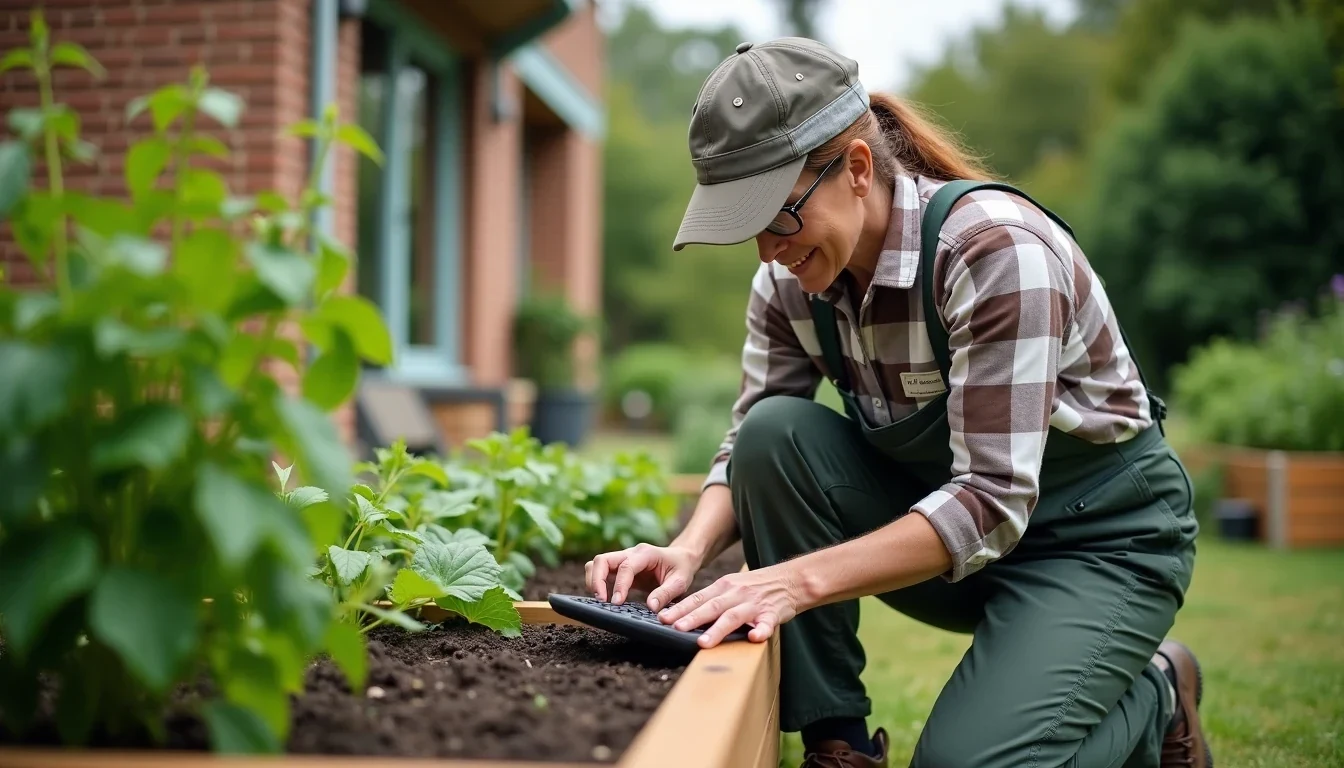
I started with a 1 meter by 1 meter raised bed I built from a kit at Builder’s Warehouse. R560. Ten bags of potting soil at R75 each. Three bags of kraal manure at R55. A hand trowel, a fork, a watering can because my old one cracked last winter. R220 for the set. Five punnets of seedlings because I wanted variety. The labels promised “heavy cropper” and “disease resistant,” words that mean nothing until you watch a plant die. R32 each.
That was before a single tomato existed.
Then the season started. Water three times a week in December and January, when the heat sat on the garden like a hand on your chest. My municipal tariff is R28 per kilolitre. I measured the flow from my hose. I did the multiplication while the kids from next door watched me kneeling there with a stopwatch and a cup of tea going cold. R18 a week for sixteen weeks. R288. The neem oil concentrate was R180. I used it twice and the aphids laughed at me. The second treatment, something stronger from a different shop, R95.
One plant never set fruit. Two more produced tomatoes with blossom end rot, a calcium deficiency I now know about but did not know in November. I fed them. I adjusted. I spent another R65 on liquid seaweed because someone at the nursery said it would help. It helped some, but not enough.
What Actually Pays Back
Spinach is different. I planted six seedlings of Swiss chard at R30 for the punnet, and I have been cutting leaves since February. The same plants, over and over. I stopped counting after the eighth harvest. The cost per kilogram stopped being a sensible calculation because the plants refuse to die. Loose-leaf lettuce, same story. Basil, same. I pick what I need, when I need it, and the plant keeps growing.
This is where the accounting gets honest. Tomatoes want to be a factory. They want space, support, nutrients, water, protection, and then they give you one crop and they are finished. Determinate varieties especially. Roma, my notebook says, yielded 2.4 kilograms from one plant before it turned yellow and I pulled it out. Herbs and leafy greens want to be a conversation. They keep talking back.
My coriander bolted in the heat. That was a failure. But the parsley, the thyme, the spring onions I grew from supermarket scraps in a yoghurt tub, they cost almost nothing and they keep showing up. A small packet of fresh herbs at Woolworths is R28. I have stopped buying them entirely. That is a saving I can point to without embarrassment.
The Tomatoes I Cannot Regret
So why do I still grow tomatoes? Because the first one I picked in late January, still warm from the afternoon sun, sliced onto bread with salt and nothing else, tasted like a tomato is supposed to taste. Not the refrigerated, travelled, bred-for-shelf-life things I have accepted for years. A different category of food entirely.
My niece helped me plant them. She was visiting for the December holidays, eleven years old, addicted to her phone. I gave her a trowel and she spent two hours in the dirt without checking the screen once. She came back in March to find the plants taller than her. She picked three tomatoes herself and ate one like an apple, juice on her chin, and looked at me like I had performed actual magic.
That is not in my notebook. There is no column for it.
The Honest Bottom Line
If you are planting a vegetable garden to save money on your grocery bill, be careful. Count everything: the soil, the water, the replacements, the failures, the trips to the nursery, the time. Especially the time. I have not even put a value on the hours. For common vegetables, bulk-produced and shipped efficiently, the supermarket will probably win on price. Potatoes, onions, butternut are cheap to buy and expensive to grow well.
If you are planting for taste, for the particular pleasure of walking outside before supper and cutting exactly what you need, for the reduction in waste when you stop throwing out half a bag of slimy spinach every second week, for the small stubborn satisfaction of feeding yourself from your own patch of ground, then the calculation changes. The tomatoes are not free. I am paying for them, rand by rand, litre by litre. But I am paying for something specific, something I chose, and I know exactly what it cost me.
This matters. In a year where everything feels more expensive and more complicated than it should be, knowing the real price of something and choosing it anyway feels like a small, necessary honesty.