

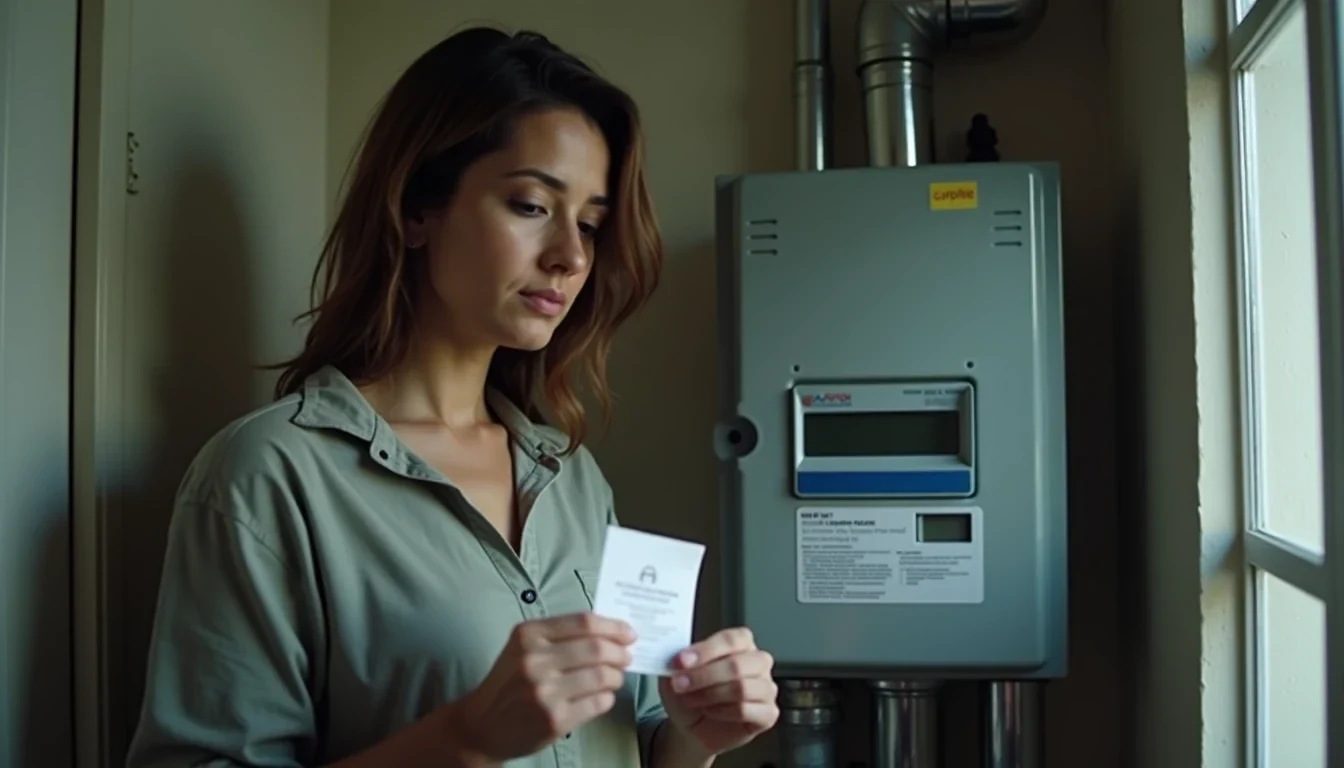
A hundred rand used to feel like a small peace offering to the meter. These days it feels more like a tip for a very rude guest who still eats the cake, drinks the juice, and leaves the lights on.
I started keeping an electricity diary because I was tired of staring at the slip like it had personally insulted me. On Monday, 15 July, I put in R100 and got 42 units. On Thursday, 18 July, I bought another R100 and got 39 units. Same note. Same house. Same woman trying not to swear at a prepaid machine before breakfast. The result was different because electricity now enjoys suspense.
My little electricity diary
Monday looked harmless enough. I topped up, checked the numbers, and told myself 42 units could behave. Not thrive, just behave. A few kettle boils, a bit of cooking, the fridge doing fridge things, and I might even stretch it until the weekend if everybody in the house remembered that lights can be switched off when nobody is in the room.
Then life happened in the usual ordinary way. Someone needed hot water. Someone else wanted food at a time when food had to be cooked with actual heat. I used the stove. I washed dishes. I made tea. I did the whole domestic song and dance that makes a house feel normal, and then I looked at the meter and felt personally betrayed.
By Thursday, I was back at the shop with another R100, because of course I was. This time the meter gave me 39 units. Thirty-nine. Not forty. Not a generous little surprise. Thirty-nine, as in, just enough to remind me that the first batch had already been eaten by the house while I was busy being a responsible adult.
That drop stung more than the actual rand amount. R100 should still look like R100 in your mind. It should be a decent little top-up, something you can plan around. Instead, it lands like loose change with ambition.
The geyser is my main suspect
I am not naming names without evidence, but I have a strong case against the geyser.
That thing has the appetite of a teenager who just discovered supper was for everyone. It heats, it rests, it heats again, and somehow the meter keeps spinning like it has an appointment somewhere else. A geyser pulls serious power while it is doing its thing, which is exactly why it has become the first person I blame when the units disappear faster than my patience.
The stove is also under questioning. It is efficient in the worst possible way. A normal day of cooking, even if you are just making the kind of meals that keep a family from turning on each other, still chews through units. One pot here, one plate there, and suddenly your “quick supper” has become a financial event.
The kettle behaves like it is innocent because it only runs for a few minutes. Nice try. A kettle draws a lot while it is on. When you are making tea for yourself, then coffee for somebody else, then another round because somebody “just needs one more cup”, those little bursts add up like gossip at a family braai.
In winter, the heater gets called in like a rescue worker and then acts shocked when it leaves a bill behind. I do not even need to keep it on for long. The minute the temperature drops and I switch it on, I can almost hear the meter clearing its throat.
The fridge gets to stay in the room because it never sleeps and never admits fault. It is always there, humming away, quietly collecting its share over 24 hours like a tenant who refuses to sign the lease but still expects a room.
Why the same money buys different power
R100 does not stretch the same way for everyone. Eskom’s direct customers were hit with an 8.76% increase in April 2026, and municipal electricity tariffs went up by an average of 9.01% from July. Part of the sting is plain price. The money is simply not doing what it used to do.
Even that is not the full story. The number of units you get can change depending on where you live, how your municipality structures its tariffs, whether your usage has pushed you into a pricier block, and whether there are fixed charges sitting on your purchase before the actual units are calculated. Two women can both pay R100 and walk away with very different amounts of electricity, then both stand in their kitchens looking offended for entirely valid reasons.
The sneaky bit is the monthly usage. Buy power early in the month and the numbers can look a bit kinder. Buy again after you have already used a fair chunk and the tariff block may have shifted under your feet. That is how the same R100 starts behaving like a different note depending on the day you hand it over.
I do not need a full lecture on the tariff system to know when my money feels thin. I only need to watch the slip, watch the meter, and ask myself why a hundred rand now has the stamina of a damp tissue.
The part that annoys me most
What gets under my skin is not only the price. It is the feeling that electricity has become something you have to babysit, interrogate, and mistrust.
You buy on Monday and by Thursday you are standing in your kitchen like a detective with no leads. The geyser looks smug. The kettle looks guilty. The stove is pretending to be helpful. The fridge is minding its business. Everyone in the house has an alibi except the machine that holds the water hot and quietly drains the account while nobody is looking.
Because this is real life, not a neat little spreadsheet, I am still going to top up again when I need to. I am still going to make tea, cook supper, and let the geyser do its loud, expensive little performance. I will just do it with the deep suspicion of a woman who has seen 42 units turn into 39 units and decided that the meter is no longer a neutral object. It is part of the family now, and frankly, it owes me money.