
I keep hearing that annual consumer inflation hit 5% in June 2026, and I believed the number for exactly as long as it took me to stand at the till and watch my own grocery total wobble past my dignity. Five percent sounds tidy on paper. Then you buy the usual basics, add one thing for supper, one thing for lunchboxes, and one thing because it was reduced and you have no self-control, and the bill starts acting like it has a side hustle.
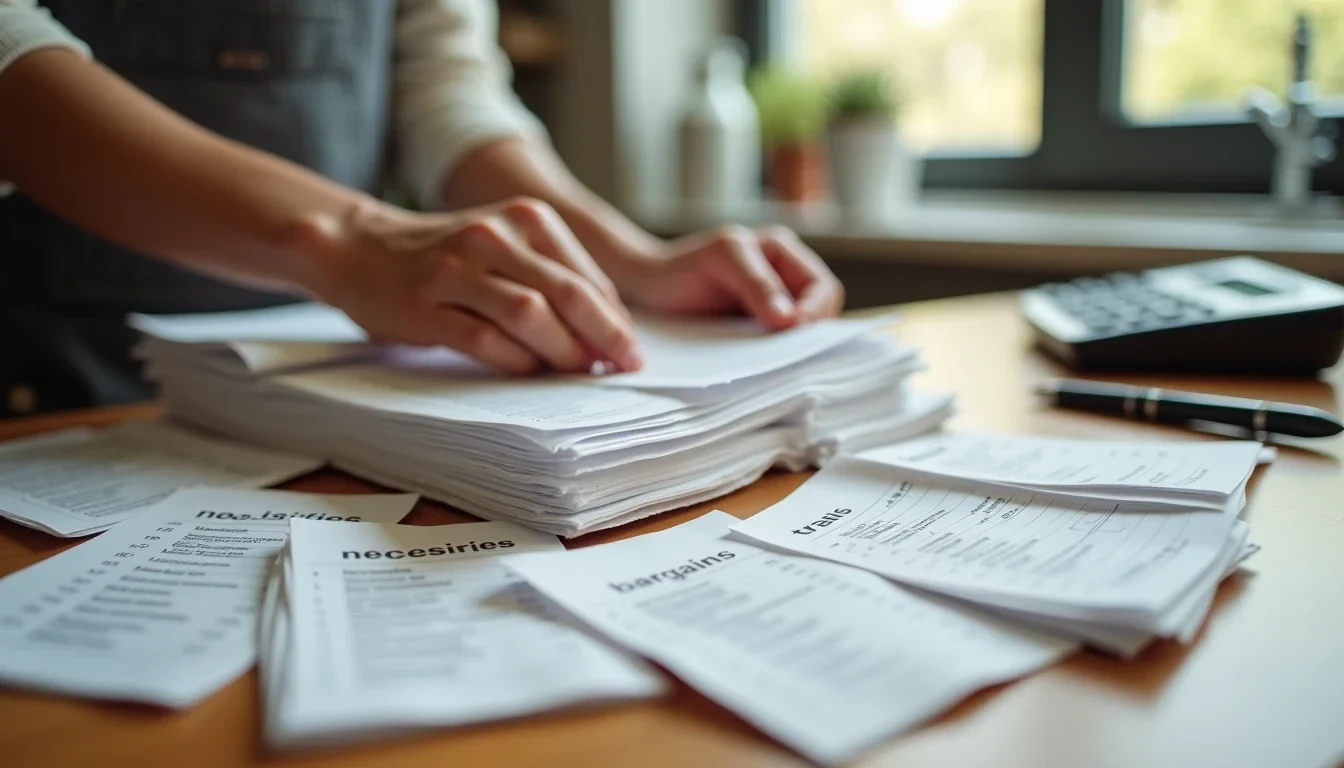
No household shops inside the official average basket. Mine certainly does not. I have a family, a life, a long list of things I swear I only buy once a month, and a trolley that seems to be taking instructions from a private accountant I have never met. So I decided to do something simple and slightly annoying. For a month, I am keeping every grocery slip and sorting the purchases into necessities, treats, and those red-marked bargains that look responsible until you get home and realise you bought them because the sticker was loud.
The official number and my own receipt pile
Stats SA can tell me one thing, but my fridge tells me another. Their household spending survey shows housing and utilities taking 34.7% of average household consumption, food at 16.3%, and transport at 15.3%. That mix already tells you plenty. The average basket is a whole household picture, with rent or bond, electricity, fuel, and all the other things that keep a life running. It is not a little grocery hamper sitting neatly in the middle of a kitchen table.
That is where the disconnect starts.
A person living alone and working from home is not buying the same life as a family with children, pets, and a commute that chews through petrol like it is thirsty. My own trolley has moods. Some weeks it is all milk, bread, fruit, detergent, and the usual grind. Other weeks it starts getting ideas about snacks, extra yoghurt, dog food, and the kind of little extras that do not look dramatic on their own but quietly push the total into nonsense.
The official inflation figure can sound manageable because it is built from a broad national mix. My house does not spend in broad national mixes. My house spends in arguments over cereal, panic buys before school, and the occasional deeply unwise “we deserve this” moment in front of the freezer aisle.
What I am actually tracking
For a month, I am keeping every grocery slip. Not some of them. All of them. The little ones from the corner shop, the bigger ones from the supermarket, the one I shoved into my bag and then found three days later under a receipt from the pharmacy. I am not doing this to become the woman who gives lectures about avocados and tells everybody to “just budget better”, because that woman is unbearable and, frankly, always sounds like she has never had a surprise school outing.
I am separating the spending into three piles.
Necessities are the things the house genuinely needs: bread, milk, eggs, fruit, vegetables, cleaning supplies, toiletries, pet food, and whatever else keeps the place functioning without turning into a hostage situation.
Treats are the easier extras: biscuits, sweets, ice cream, the ready-made thing that saves me from cooking on a day when everyone is hungry at the same time. Also the little top-up items that feel harmless because they are small and cost a few rand, which is how grocery stores get you.
Markdown purchases are the sneaky ones. Anything bought because it was marked down in red goes here. I am not pretending a bargain is always a mistake. Some of them are brilliant. Some of them are just cheap enough to make me forget I did not need them in the first place. A lowered price can still be a waste if the thing ends up sitting in the cupboard until it expires while I congratulate myself on my discipline.
I want the month to show me what is actually driving the bill. Not the supermarket’s version of my life. My version.
Why my trolley feels more expensive than the headline
Official inflation tells you how prices move on average. It does not tell you how often you buy the same item, whether you buy a brand your household will actually eat, or how much damage a family can do with a very ordinary shopping list.
That is where the personal inflation gap lives.
If I keep buying the same peanut butter, the same cereal, the same coffee, and the same snack the children have decided is now a constitutional right, I feel every jump in those prices. If a cheap substitution is impossible because someone in the house is fussy, allergic, tired, or simply dramatic, there is no graceful escape route. The national basket assumes households will switch around more easily than they sometimes do. Real life is less obedient.
Then there are the items that never appear dramatic until they are added together. A few extra convenience buys. A packet of something because it was on special. A second version of a thing because I forgot the first one at home. Before you know it, the total is no longer about food in the ordinary sense. It is about habits, pressure, convenience, and the little emotional tax of trying to keep a home moving.
A family can look at a 5% inflation headline and still feel as if the grocery bill has its own private inflation rate. The headline is not lying. It is just not telling my story.
What I expect to find after a month
I suspect the numbers will be embarrassing in the most useful way. I expect to see that the true pressure is not only in the staples, but in how often I let convenience slide into the basket disguised as necessity. I also expect the markdown pile to expose a few habits I would rather call “smart shopping” than admit are really just excellent excuses.
If the slips show that the necessities are climbing faster than I thought, then that gives me something solid to work with. If the treats and red stickers are doing the damage, then I will have to stop pretending I am being victimised by the economy every time I buy a packet of something because it was yellow or red or had a cheerful discount tag attached to it.
Either way, I want the month to make the bill less mysterious. Not smaller, sadly. I am not delusional. Just less mysterious. Seeing your own spending in black and white is useful, especially when the national average is sitting there in the background like a sensible aunt who has never once fed three people after a long day.
I do not need a lecture about avocados. I need to know why the same trolley keeps arriving at the till with a price tag that behaves like it has personal feelings.