

The grocery app saved me a trip, sold me biscuits, and then had the cheek to act as if that was my idea.
That is the trouble with convenience now. It arrives wearing sensible shoes, promising to spare you the parking lot, the queue, the rain, the school-run chaos, the whole ridiculous circus. Then it quietly pads the basket, nudges you toward a special, swaps your plain olive oil for a nicer one, and flashes one last little treat before checkout like it is doing you a favour.
The bill is never just the bill
South African online retail is no longer some shiny side hustle for people who forgot how shops work. A 2024 estimate put online sales up about 35 percent for the year, at roughly R96 billion. This is not fringe behaviour. Groceries are becoming part of ordinary life, the way airtime and WhatsApp data already are.
The old excuse does not hold anymore. A grocery app is no longer an emergency service for the exhausted and desperate. It is a normal household tool now, so we have to stop talking about it like it is a tiny miracle and start looking at what it actually costs.
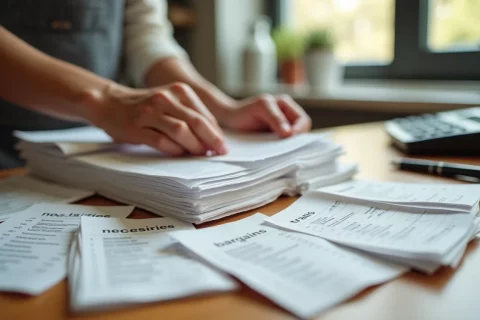
The cleanest test is boring, which is usually how money truths like to hide. Take the same shopping list and buy it in-store, then buy it through an app. Do not change the list. Do not let yourself feel noble because the app is tidy and the basket is digital. Count the whole thing: delivery fee, tips, substitutions, and the little nonsense items that appear because the screen knows your weak spots.
A simple basket, two outcomes
Let’s say the list is the kind of weekly top-up most of us know by heart.
Milk. Bread. Eggs. Coffee. Bananas. Tissues. Dishwashing liquid. The kind of shop that looks harmless until you stand in Woolies, Checkers, or Pick n Pay and somehow leave with salted caramel pretzels and a candle you absolutely did not need.
In store, the basket stays closer to the list because the friction is real. You have to walk, carry, queue, and stare at your own reflection in the freezer door while deciding whether you really need a second block of cheese. You see the total as it grows. You feel every extra packet in your hands.
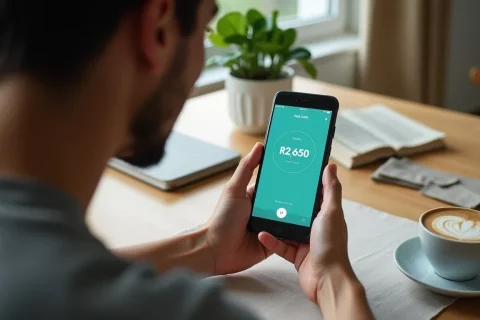
On an app, the shop is smoother and more dangerous. The screen removes the irritation, but it also removes the brakes. Minimum order rules push you to pad the basket. A free delivery threshold can turn a R240 shop into a R520 one because suddenly you are “saving” by buying more yoghurt, more cereal, more of whatever sits just above the line. This is not thrift. This is a trap with a polite interface.
Then the extras arrive.
Checkers Sixty60 often charges around R35 for delivery. Pick n Pay asap! can sit somewhere between R30 and R50 depending on area and demand. Woolworths Dash usually lands around R35. Add a service fee where it applies, then the tip, which in South Africa often lands around 10 to 15 percent if you are being decent to the driver and not pretending you suddenly lost your wallet.
By the time the order lands at the door, the app has taken its cut. And that is before it convinces you to buy a packet of biscuits you swear you had no intention of buying.
The app knows your habits
This is the part that irritates me most. Grocery apps are not neutral shopfronts. They are little persuasion machines.
If you regularly buy coffee, the app starts whispering about filters, a different roast, maybe a larger pack because apparently the version you already buy is not quite enough. Checkers Xtra Savings and Pick n Pay Smart Shopper already live in that world of personalised nudges, where your own purchase history becomes a sales pitch aimed back at you.
It gets worse when the app starts acting like it knows your pantry better than you do. “You might also like” is just a softer way of saying “we think you will crack.” Crackers lead to cheese. Pasta leads to sauce. Baking mix leads to sprinkles and chocolate chips, because obviously one cake should become three as the algorithm had a feeling.
Then there are the final screen temptations. The digital version of the sweets rack. Small, high-margin things that seem harmless in the moment. A bar of chocolate. Chips. Soft drinks. Maybe a magazine if you still have the emotional energy to read one. Six unnecessary items slip into the basket while you are trying to buy tomatoes.
The substitution game is where the trouble starts
Substitutions look practical until they are not.
A house-brand olive oil at R50 gets replaced with a premium bottle at R75. You did not ask for a fancier life. The app just decided you deserved one and charged accordingly. That sounds funny until it happens repeatedly, and then it starts to feel like being mugged by a clever person in a lanyard.
Sometimes the substitution is cheaper but wrong. Different bread. Wrong milk. A brand you do not trust. Something that fits the category but misses the point. If you are shopping for a baby, or for allergies, or for a specific diet, this can turn from annoying into a proper problem. The default setting often expects you to be calm, available, and willing to do admin while your food order is being packed. Most of us are none of those things.
Because the whole process is rushed, people accept the “best match” without thinking much about it. The order arrives complete, but not necessarily correct. So the app saves the drive, then leaves you holding the wrong yoghurt.
Time is money, just not for everyone
Here is the only honest bit of maths in the whole business.
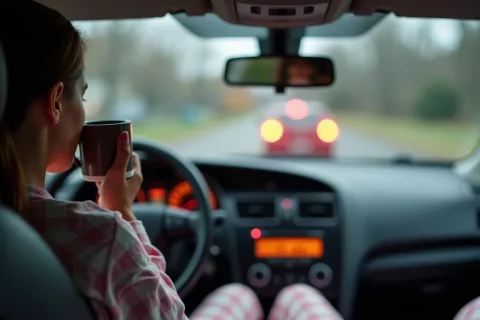
A proper in-store shop can swallow 1.5 to 3 hours once you count traffic, parking, walking the aisles, queuing, and the inevitable detour because someone forgot coffee. An app can cut that down to 15 to 30 minutes on your couch, with a cup of tea and a child asking where their socks are.
If your time is worth R200 an hour, then two saved hours look like R400 back in your life. If you are on the national minimum wage, now R27.58 an hour, the numbers are much less flattering. Then the delivery fee, the service fee, the tip, and the extra biscuits start eating the benefit alive.
For a parent with a toddler, someone with mobility trouble, or a person living far from decent shops, the calculation is different again. Time saved can feel priceless because it saves a whole evening from collapsing. I am not pretending the app is foolish. I am saying it is never free.
So it saves time and sells biscuits
Both.
That is the honest answer, and it is why these apps have become so sticky. They save enough time to feel smart and spend enough money to stay profitable. The question is not whether they work. They do. The question is whether the time you gain is worth the quiet little tax on your basket.
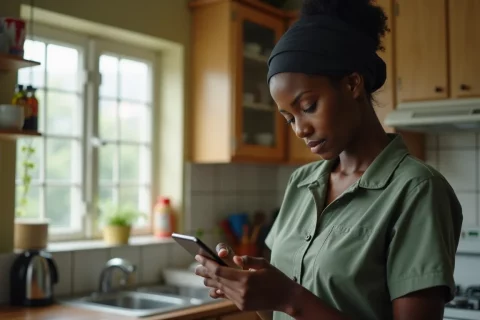
For me, that depends on the week. If I am tired, trapped in school runs, or trying to get dinner sorted before load shedding turns the kitchen into a hostage situation, I will pay for the convenience and accept the biscuits with my eyes open. If I am in a tight month and trying to keep the grocery total under control, I would rather carry the bags myself and keep the app off my phone for a while.
The app is not really selling groceries first. It is selling relief. The groceries are just how it gets there.