
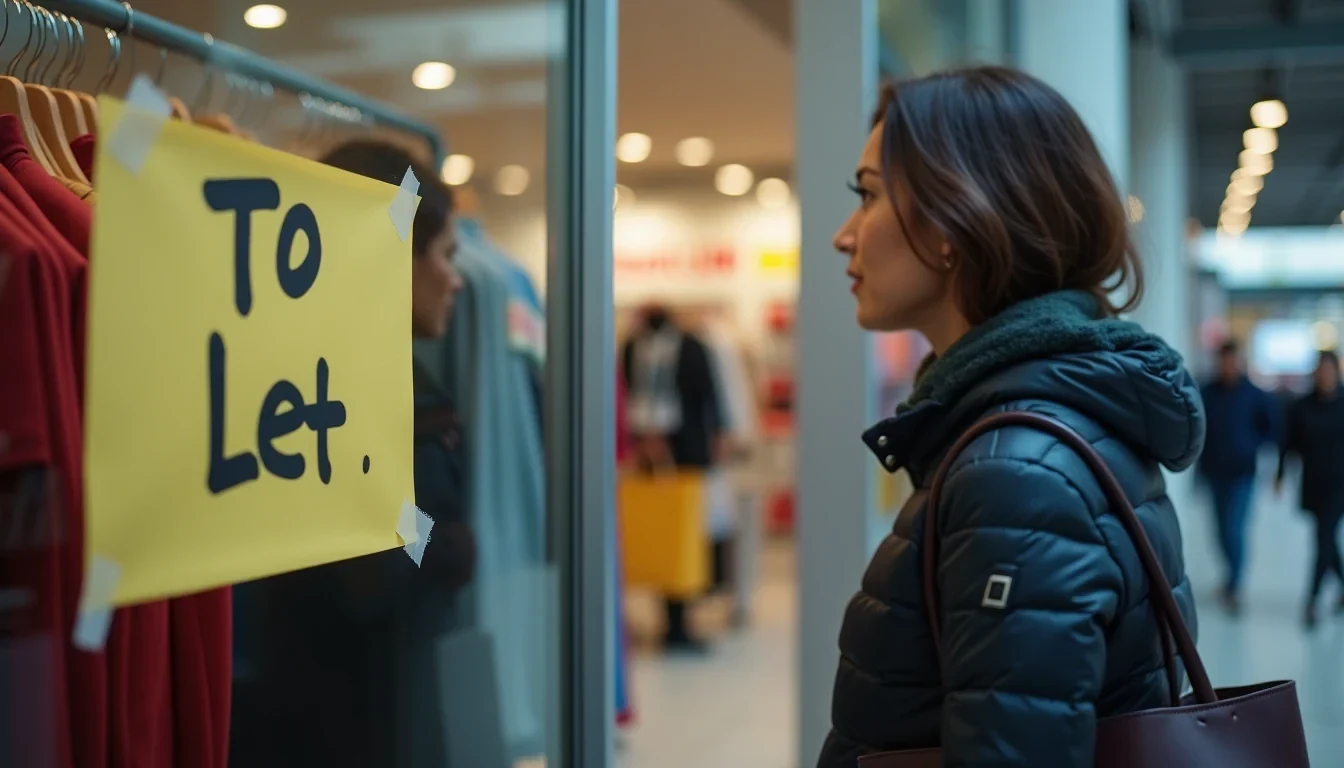
I walked past the Sportscene at my local mall last week. The lights were already off, shutters down, and a handwritten “To Let” sign was taped to the glass. No big announcement, no farewell sale with balloons. Just gone. Honestly, it hit me harder than I expected. That store was where my nephew bought his first proper takkies for high school, where we’d kill time before movies, where the smell of new rubber and polyester somehow meant Saturday. TFG says they’re shutting roughly 280 stores across Africa by 2029, and I keep wondering which memory gets boarded up next.
The Numbers Don’t Lie, Even When We Want Them To
TFG has already pulled the plug on 85 stores that simply couldn’t pay their way anymore. Another 80 are earmarked for closure in the financial year ending March, with potentially 100 more in each of the two years after that. They’re not emptying out completely. Twenty-five new stores opened in the same period, presumably in spots where the rent and foot traffic still make sense. But the net effect is unmistakable: less physical TFG in our lives, more of our rands flowing through screens instead of tills.
The split is brutal. Physical stores across Africa eked out a 0.2% sales bump. Online sales grew 54% in the same period. Online now sits at nearly 16% of total sales, up from about 14% just a year back. Those two percentage points represent billions of rands that used to involve parking, escalators, and the particular exhaustion of trying to find your size while a toddler screams in the next aisle. Now it’s thumbs on glass, delivery to your door, and the faint guilt of never having left the couch.
Bash and the Brands We Grew Up With
TFG’s digital push runs through Bash, their platform that bundles together names most of us know by heart. Sportscene and Totalsports for the sneakerheads and weekend warriors. Markham and Fabiani for the guys who still believe in a decent shirt. @home for the scatter cushions and wine glasses we definitely don’t need but buy anyway. American Swiss for the promise rings and graduation watches. Exact for the school shoes and last-minute funeral outfits.
This now feels ordinary. My friend Lindiwe bought her entire lounge setup through @home’s Bash page during load shedding last month, phone on 15%, candle flickering, clicking “pay now” before the signal died. She didn’t consider driving to the mall. The thought literally didn’t occur to her. TFG is betting on this shift, and the data confirms their strategy.
The Ghosts in the Mall
Three thousand four hundred stores. That’s TFG’s footprint here at home, or was. Each closure leaves a hollow, and hollows have a way of spreading. I’ve watched it happen slowly at the centre near my mother’s place in Pretoria. First the Edgars, then the CNA, now the Markham windows are papered over and the security guard has nobody to watch. The remaining shops, the independents selling cell phone covers and hair extensions, feel the absence. There is less reason to walk past, less impulse to pop in, less life.
Landlords are scrambling. Some are cutting rents to keep anyone at all. Others are talking about turning retail space into gyms, call centres, even residential flats above the food court. The model of “big anchor draws the crowd, crowd feeds the small guys” is creaking. I don’t know what replaces it. I don’t think anyone does yet. There’s something almost cruel about watching a place built on the promise of gathering become a place people avoid.
The Small Guy’s Opening, Maybe
I get conflicted here. For all the sadness of watching familiar storefronts go dark, a door is cracking open for people like us: the creatives, the side-hustlers, the ones making candles in our kitchens and leather goods in our garages. Those empty TFG spaces? Eventually the rents drop low enough that someone like my friend Thandi, who sews custom bags in Soweto, could actually imagine a physical presence. A month-long pop-up. A Saturday market stall that becomes permanent.
The catch, and it’s a big one, is that we have to meet people where they now shop, which is increasingly online. Thandi’s Instagram following won’t cut it if she can’t take payment and arrange delivery without eight WhatsApp messages and a cousin with a car. The barrier to entry for digital commerce is real, especially when you’re juggling a day job and kids and the unpredictability of life here. But the opportunity is also real. Consumers are hungry for something that doesn’t feel mass-produced, something with a story and a face behind it. We just have to be ready when they come looking.
What I’m Actually Mourning
I keep returning to that closed Sportscene. The store itself was nothing special, really. What hurts is what it meant in the rhythm of a week, a month, a life. The browse without purpose. The accidental discovery. The teenager saving for months, the grandmother buying school clothes she can’t really afford, the couple arguing about curtains in @home and laughing about it later. These are small, ordinary, deeply human transactions. An app can sell you takkies. It cannot replicate the accidental conversation with a stranger who loves the same weird colourway.
TFG is following the money, as they must. I don’t begrudge them that. But I find myself hoping, maybe foolishly, that something else grows in the gaps. Not just more efficient commerce, but places worth walking into. Not just cheaper, but meaningful. The era of the big box anchor store is ending. What we build after it, whether in our malls or on our phones, is still up for grabs.